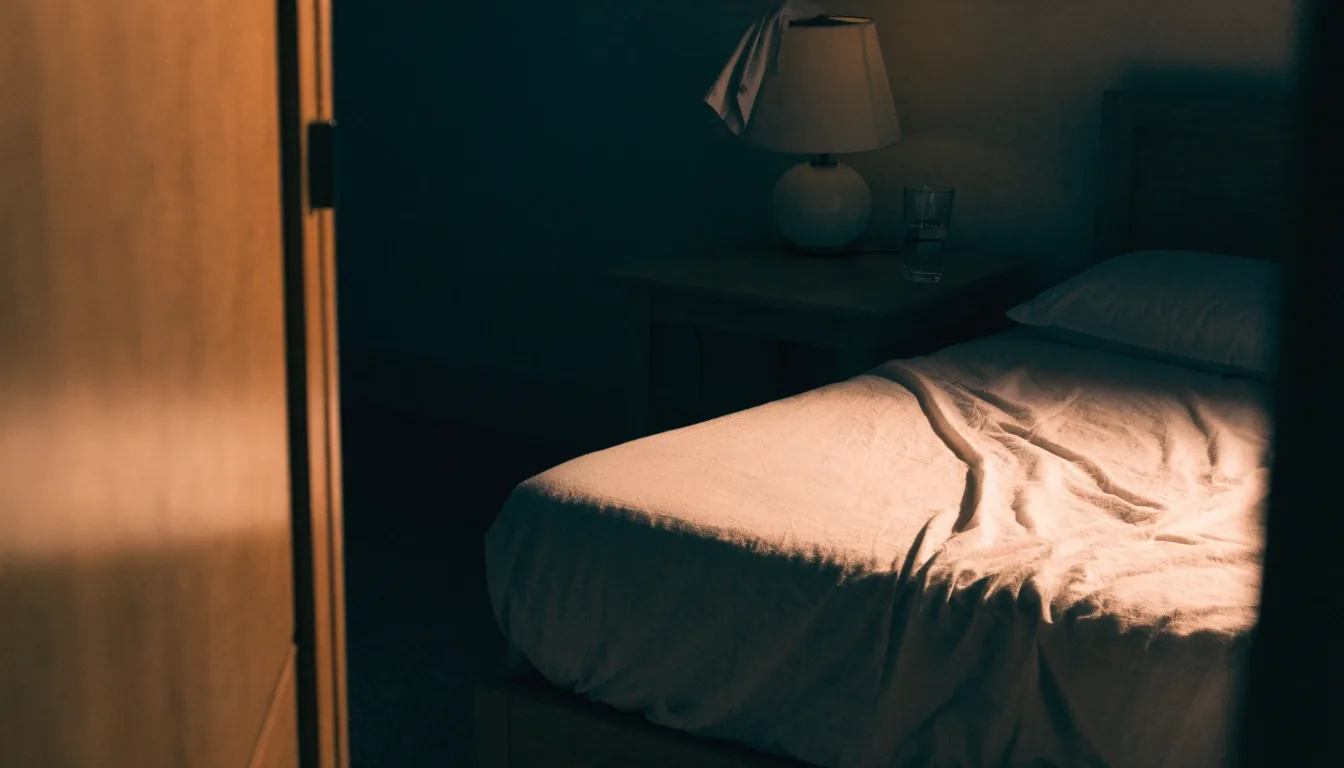
Sleep hygiene · fatigue prevention
Sleep hygiene and everyday fatigue prevention
Tiredness rarely comes from one thing. It stacks — short sleep, drifting wake times, late caffeine, missed meals, long stretches without movement. Here is what to fix first.
Three checks that hold the day together
These are the levers that move a night most. Fix the wake time and the rest of the list gets easier to hold; skip it and the others keep slipping back.
Wake time
Last hour
Daytime movement
The marked row is the one most people skip.
Set your wake time before your bedtime
The wake signal resets the body clock. A bedtime does not.
Choose a time you can hold seven days a week, including weekends. Then count backwards to a bedtime that gives you seven to nine hours. It sounds like the boring part of the advice, but it is the part that carries the rest — when the wake time moves around, every other habit has to work harder to compensate.
Sunday-night dread is usually a wake-time problem, not a bedtime problem. If Sunday morning slides to 10am and Monday needs you up at 6, you have handed your body a five-hour shift overnight. Keeping the weekend within an hour of the weekday time removes most of that crash.
Get daylight on your face in the first hour you are up — stepping outside for even a few minutes does more for the signal than a bright room indoors. If you only fix one thing from this page, fix the wake time.
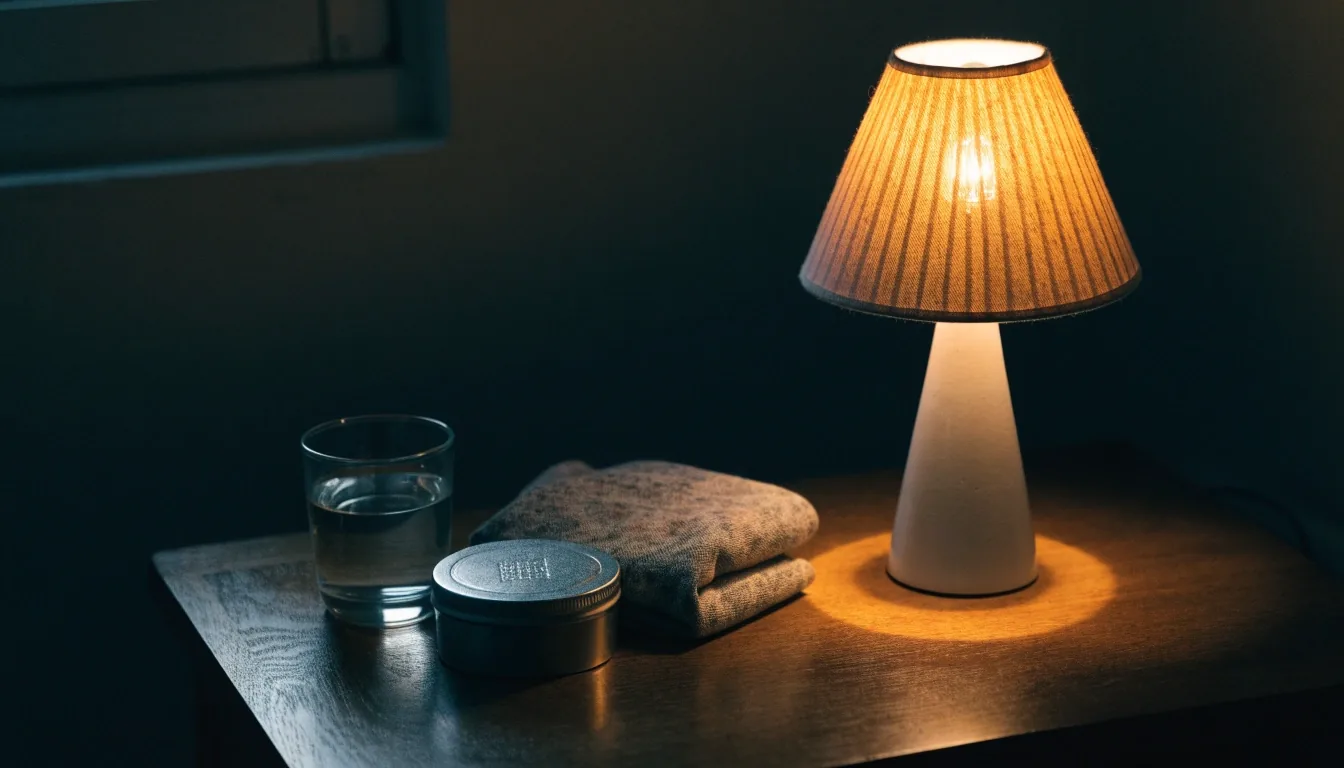
The hour before bed
The last hour of the day sets up the first hour of sleep.
Dim the lights, stop strong tea or coffee, finish eating at least an hour before you lie down, and put the bright screen away. If your phone is your alarm, set it and leave it across the room. Bright light late in the evening delays the melatonin signal that helps you fall asleep, so the screens matter more at night than at any other hour.
Build the hour out of small pieces rather than one big rule: lamp instead of ceiling light, a shower if your evenings are hot, and the same few actions in the same order. The routine is doing the work, not any single step — and it should be dull enough that you can keep it on a bad week, not only a good one.
Alcohol, caffeine and late meals
None of these need to be banned. Their timing is what makes the difference, and each one is easier to see when you write down when it happened and how the night went.
 Alcohol helps you fall asleep, then fragments the second half
expect a worse morning
Alcohol helps you fall asleep, then fragments the second half
expect a worse morning
 Caffeine after mid-afternoon stays in the body for hours
move the last cup earlier
Caffeine after mid-afternoon stays in the body for hours
move the last cup earlier
 Heavy meals right before bed strain digestion
finish an hour before
Heavy meals right before bed strain digestion
finish an hour before
Keep a note for a week if you want to see the pattern: what you drank, when you ate, and how the night went. Most people find one row is carrying more of the problem than the others.
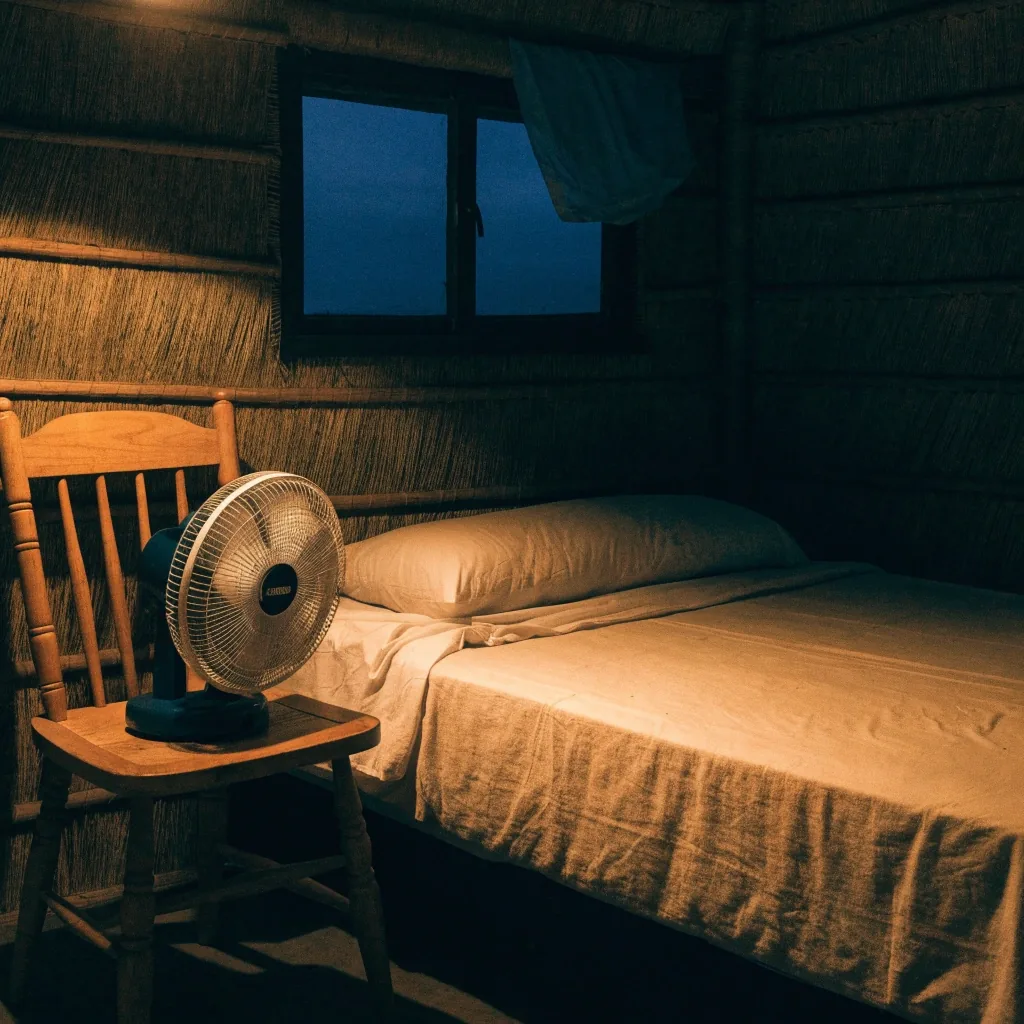
Noise, heat, and shared rooms
Chasing perfect sleep conditions creates its own kind of stress.
Perfect conditions are rare in shared housing, and Botswana summers make a cool bedroom hard to come by. Work with what the room gives you: earplugs or a fan for noise, a light sheet instead of a heavy blanket, a dark cloth over a window. Night shifts, young children and shared rooms all bend the ideal, and bending it is fine.
The useful test is simple: pick the two things about your room you can actually change this week, change them, and leave the rest alone. Worrying about the noise you cannot remove keeps you awake just as reliably as the noise itself.
What a steady week looks like
Seven nights, one wake time, the same wind-down in the last hour. The nights do not need to be identical — they need to point the same direction.
Scroll the row on a narrow screen
Hydration during the day, less at night
Dehydration contributes to that heavy, foggy feeling that gets blamed on hunger. Drink regularly through the working day, then taper toward evening so you are not waking to use the bathroom. Sweetened soft drinks do not count toward water — they push blood sugar up and down in a way that flattens energy.
Movement is the other half of fatigue prevention
Food and movement are treated as partners, not separate remedies.
Physical activity and healthy eating are named together as risk-reduction tools in Botswana public health policy, and they work the same way against fatigue. A brisk walk in the morning improves sleep that night. Standing and moving every hour during long desk or study sessions keeps afternoons steadier than a second cup of coffee will.
It does not have to be a gym. Walking to the shop instead of driving, taking the stairs, or stretching between lessons all count as movement, and the point is the total across the day rather than one heroic session. Pair it with the balanced eating basics and the two build on each other.
Warning signs that diet quality is affecting you
Fatigue that persists for weeks deserves a proper look rather than more coffee. Having a health professional check iron and other micronutrients is a reasonable next step if you notice any of these:
Botswana's NCD strategy names unhealthy diet as a key modifiable risk factor for chronic disease. This page is general guidance for everyday habits, not a diagnosis — if tiredness is persistent or getting worse, speak to a qualified health professional.
Questions that come up often
The three we hear most from readers working out where to start.
More questions answeredHow many hours of sleep are enough?
For most adults, seven to nine. Consistency matters as much as total hours. If you sleep the same window every night, you will usually feel steadier than after a longer but irregular sleep.
Why do I feel more tired after a heavy lunch?
Large, high-sugar, low-fibre meals move blood glucose sharply, and the drop afterwards feels like a wall. A smaller plate with beans or vegetables and less refined starch tends to hold steadier.
Does napping help?
Short naps of 10 to 20 minutes in the early afternoon can help. Long or late naps push your sleep drive back and make falling asleep at night harder.
Vital Body Rhythm Sleep · Francistown
Start with tonight's last hour
Fix the wake time first, keep the last hour dull and repeatable, and give the changes two weeks before you judge them. If tiredness is persistent, a check with a health professional is the sensible next step.
Where to reach us
Plot 1024, Suite 4, Haskins Street, Light Industrial, Francistown, Botswana.